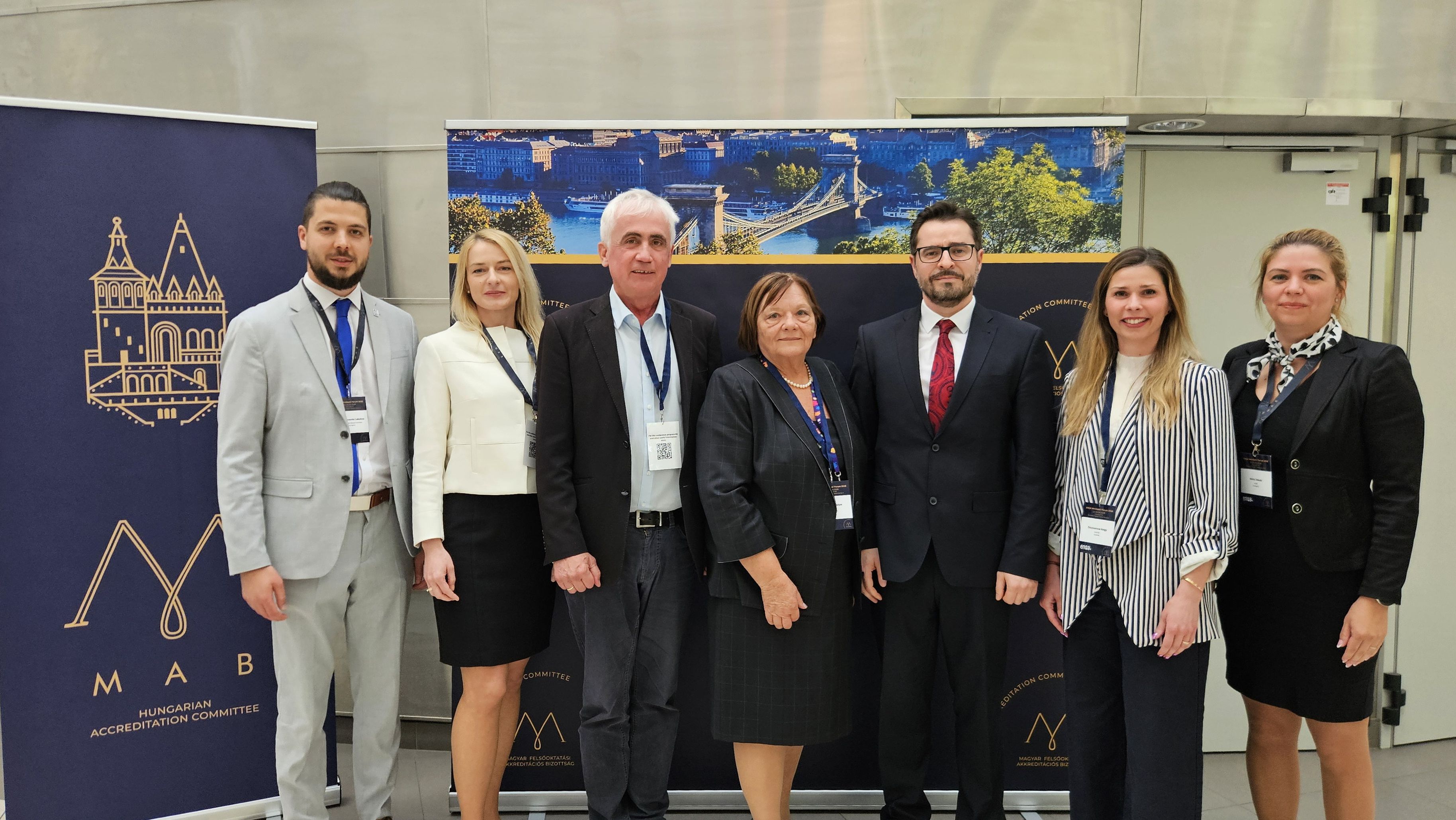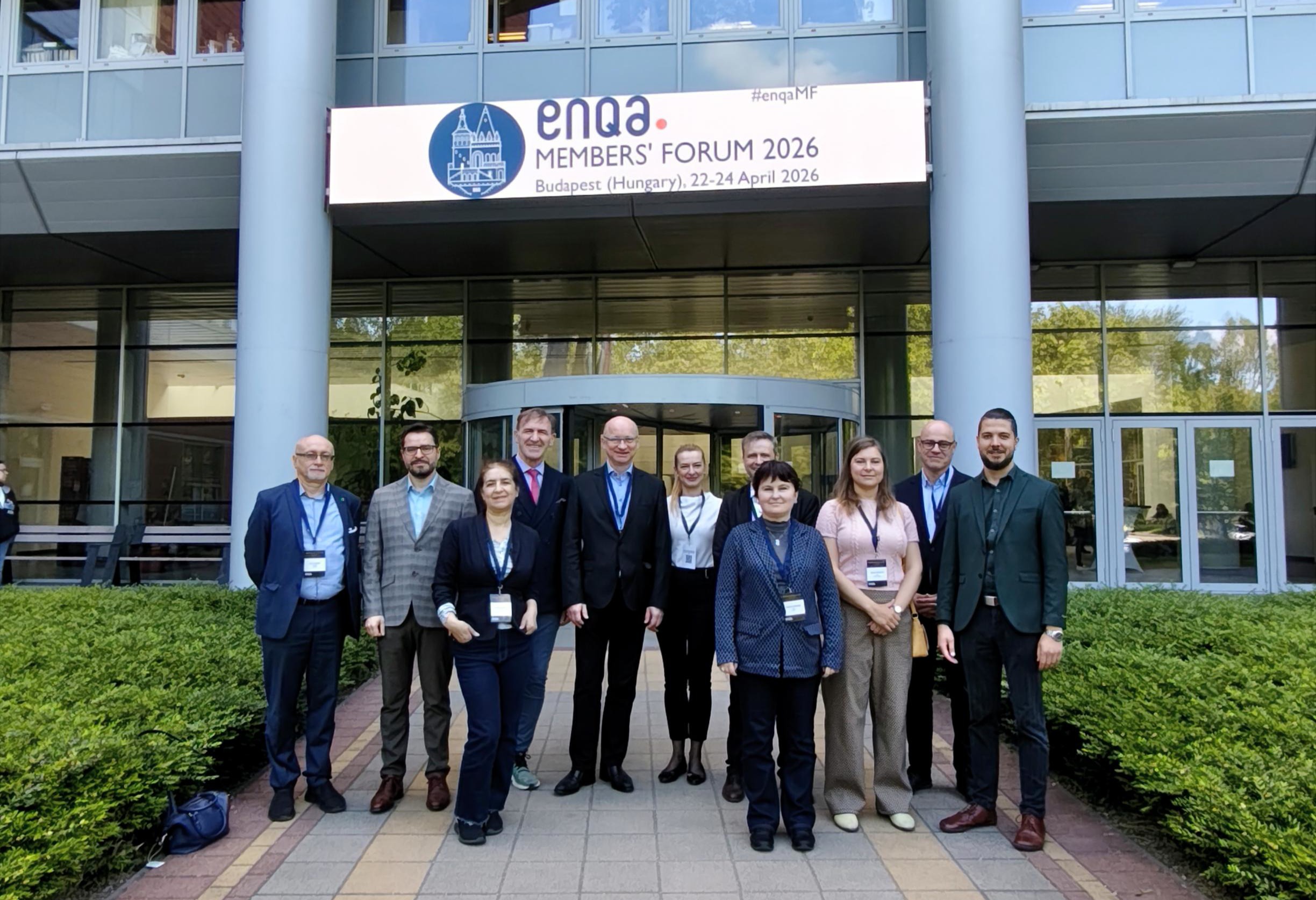


Between April 22 and 24, the European Association for Quality Assurance in Higher Education (ENQA) held its annual professional forum and spring general assembly, the ENQA Members’ Forum, in Budapest, hosted and co-organized by the Hungarian Accreditation Committee (MAB). The forum is one of the most significant professional events in European higher education quality assurance, providing an opportunity every year for representatives of quality assurance agencies, higher education institutions, policymakers, and international organizations to exchange experiences and engage in joint reflection.
ENQA is one of the most defining professional organizations of the European Higher Education Area (EHEA) and a key player in higher education quality assessment, as it acts as a gatekeeper function through the assessment of compliance with the ESG standards (Standards and Guidelines for Quality Assurance in the European Higher Education Area) in determining which independent quality assurance agencies are authorized to accredit higher education institutions and programs. ENQA membership, along with The European Quality Assurance Register for Higher Education (EQAR) registration obtainable through it, jointly ensure the international recognition of their activities which is a fundamental condition for the mutual recognition of qualifications and degrees within the EHEA. In Hungary, MAB is the organization that holds ENQA membership and the EQAR registration built upon it.
ENQA plays a significant role not only in coordinating the external, ESG compliance reviews at the European level of accreditation organizations operating in the field of higher education quality assurance but also fulfills a significant policymaking role within the EHEA and the European Union. It actively participates in higher education policy developments, thereby contributing to the strengthening of trust and transparency between national systems. Through its working groups, projects, and international collaborations, it is a defining professional reference point even at the global level.
The central theme of the 2026 forum was the role of trust in the constantly changing higher education environment. Today, higher education faces increasingly complex challenges: globalization, rapid technological advancement, changing student expectations, and international competition create new situations. In this dynamic environment, quality assurance plays a key role in strengthening transparency, verifying the quality of education, and maintaining trust among higher education systems.
The program of the three-day event awaited participants with rich professional content. In his introductory presentation, Dr. Péter Levente Lakatos, Director General of MAB and ENQA Board Member, presented the Hungarian higher education and quality assurance system and their international aspects. Opening remarks were delivered by Prof. Dr. János Ede Szilágyi, President of MAB, Prof. Dr. Valéria Csépe, Honorary President of MAB, Dr. Péter Vámosi, President of the Association of Hungarian PhD and DLA Candidates, and Prof. Dr. Cristina Ghitulica, President of ENQA.
During the plenary sessions and professional tracks, participants discussed prominent topics such as the conditions for building trust in higher education, the role of European-level policies, strengthening academic integrity, and the challenges caused by “diploma mills”. The program featured internationally recognized experts, including a department chair professor from the University of Twente and a senior researcher from the CHEPS higher education policy research center, representatives of the Council of Europe, as well as leading professionals from the ENIC network and several European quality assurance agencies.
The event also placed special emphasis on sharing practical experiences: the parallel sessions and poster presentations provided an opportunity for participants to learn about each other’s good practices in the areas of digitalization, ESG-based operations, international collaborations, and the involvement of stakeholders—especially students. As part of the forum, the ENQA General Assembly also took place, which is one of the most important decision-making forums of the European quality assurance community.
The presentations and posters are available here.
Further information about MAB is available in Hungarian on our website.
The informative booklet about the agency’s activities also available on the website in English.
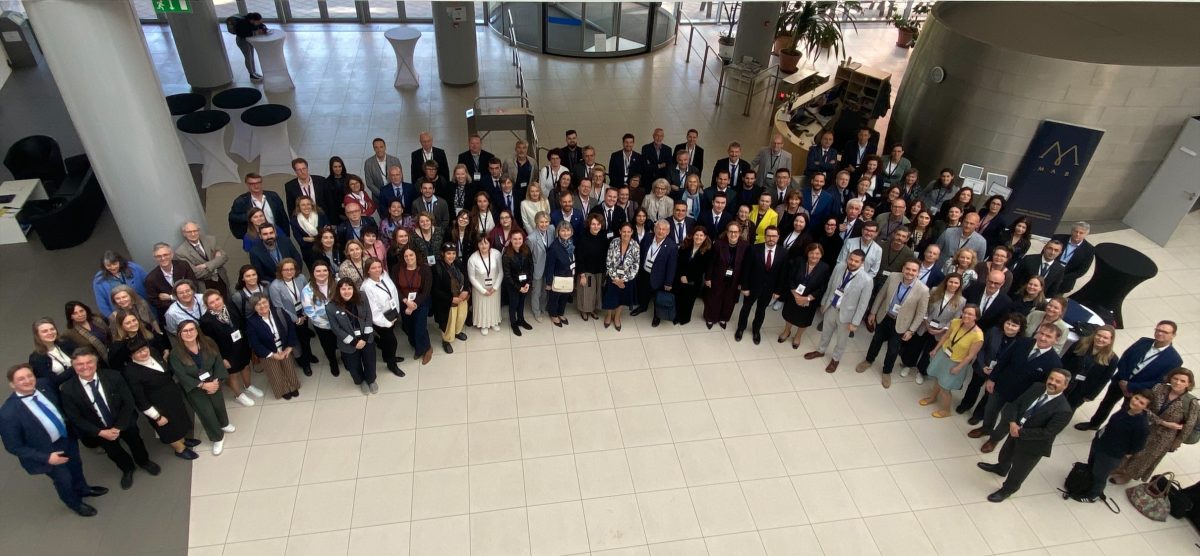
Further strengthening of international collaborations at the ENQA Forum in Budapest
Hosting the ENQA Members’ Forum 2026 was of great importance for Hungary, as it provided an opportunity for the domestic higher education quality assurance system to present itself in an international context. The event also contributed to strengthening European professional collaborations and to the joint discussion of issues determining the future of quality assurance.
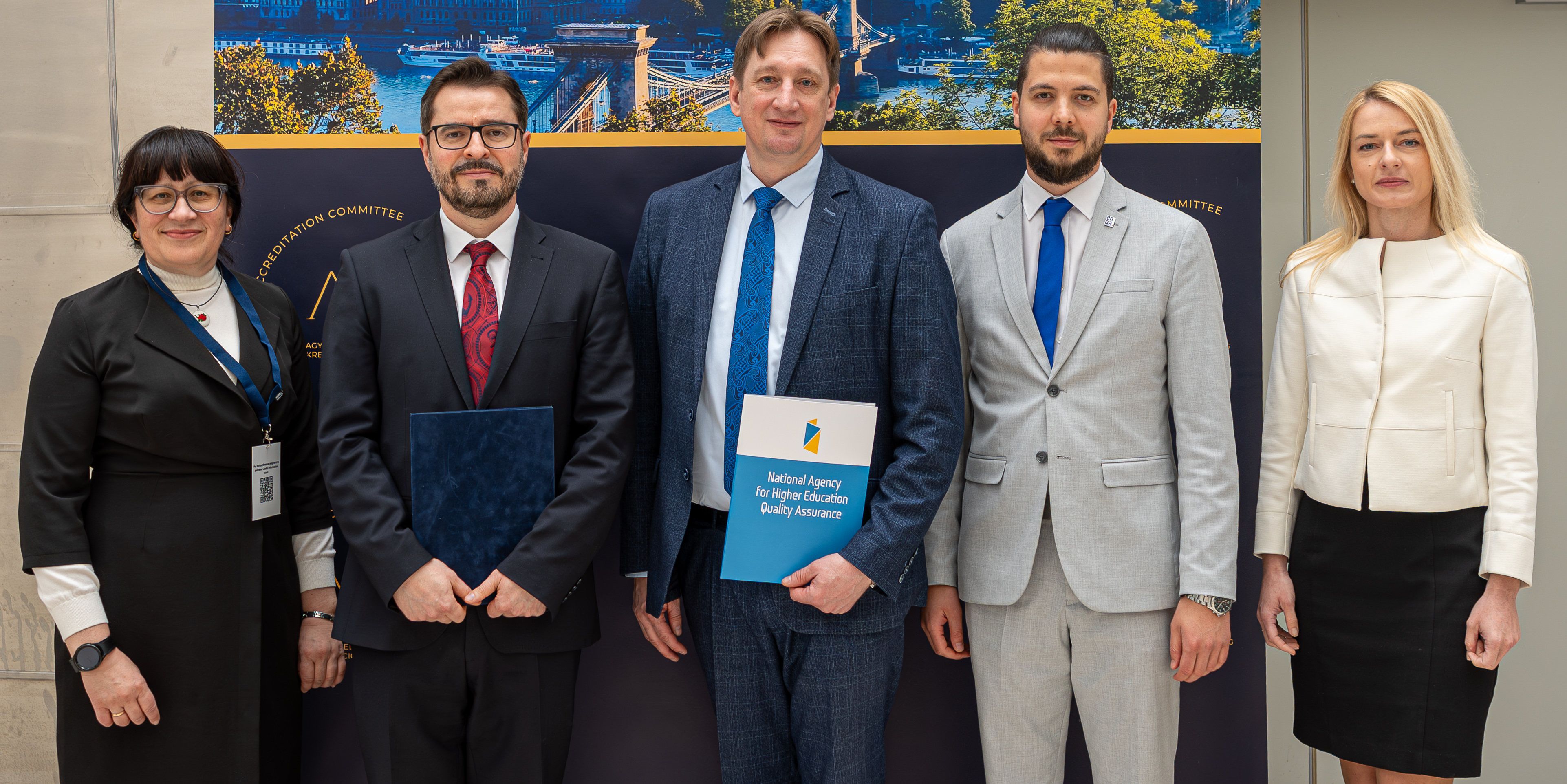
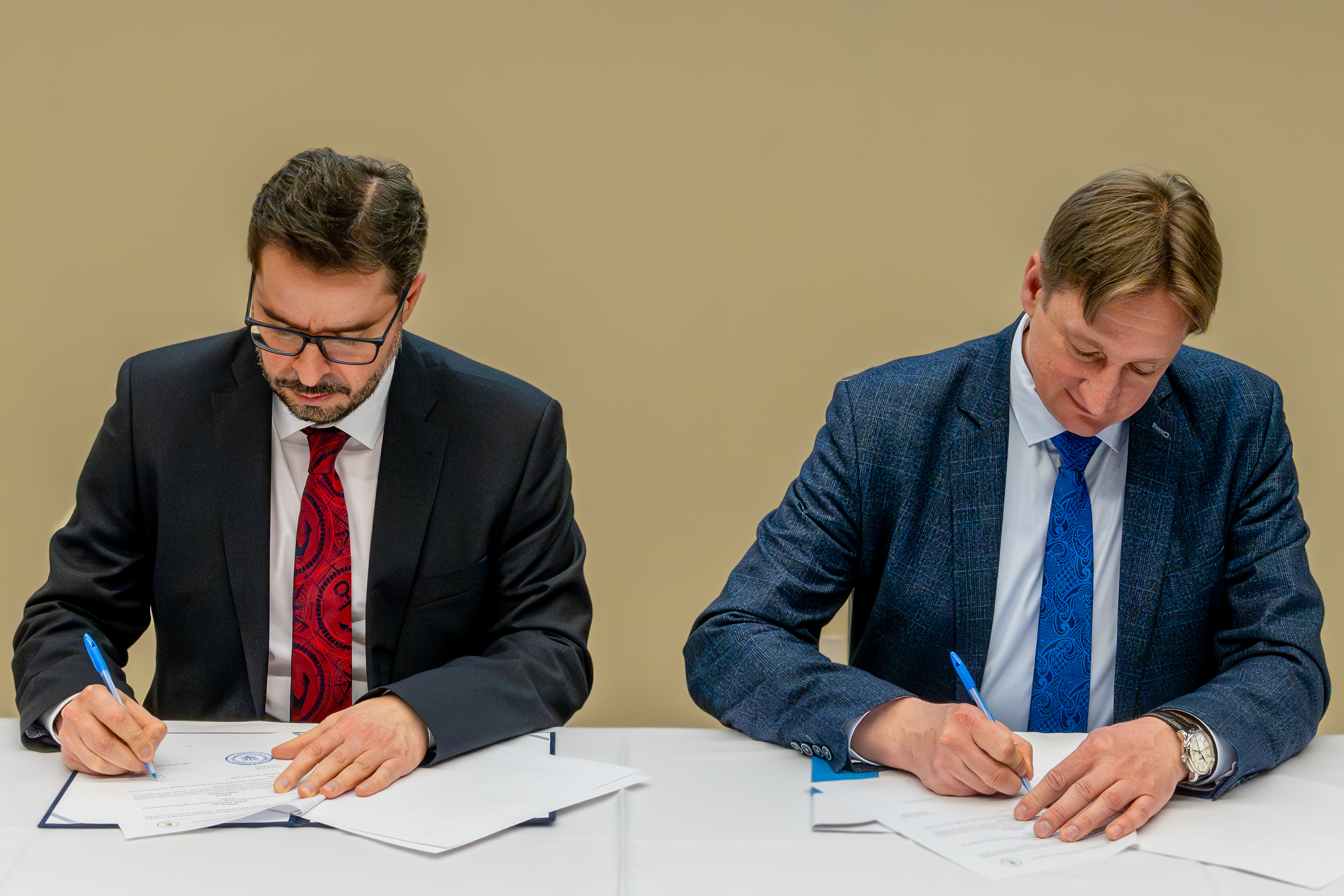
During the event, the existing cooperation agreement between MAB and the Ukrainian National Agency for Higher Education Quality Assurance (NAQA) was reaffirmed and further expanded. The new agreement extends cooperation beyond institutional partnership including cross-border accreditation procedures and the mutual recognition of accreditation decisions.
Within the framework of the program, MAB representatives held discussions with the leaders of EAEVE (European Association of Establishments for Veterinary Education) regarding future cooperation, as well as the opportunities for jointly coordinated international accreditation procedures.
Consultations also took place with members of the Quality Assurance Forum of the Visegrád Countries (Czech, Polish, Hungarian, and Slovak accreditation agencies, V4QA Forum) regarding the legislative changes and other policy developments affecting accreditation organizations that have occurred in the individual member states over the past months.
Furthermore, discussions were also held with the leaders of Western Balkan accreditation organizations, exploring opportunities for further cooperation, including current issues of cross-border accreditation and international expert exchange.
The central message of the forum was clear: the quality and international operability of higher education are fundamentally built on trust—and strengthening this is a shared responsibility.